

Understand the former HIP and the records that can be useful to keep for your home.
A Home Information Pack (HIP) was a set of documents that sellers of residential property in England and Wales were once required to provide when marketing a home. That requirement ended years ago. Owners can still choose to organise useful property records, but this is different from the former statutory HIP.
At a glance: The HIP requirement was suspended from 21 May 2010 and later repealed. Separate requirements, including those relating to energy performance certificates, may still apply. Check the current rules for your property and circumstances.
What was a Home Information Pack?
The former HIP brought together prescribed information for prospective buyers. It was intended to make key property information available during the sale process. The government suspended the requirement in 2010, so sellers should not assume that the former statutory pack is still needed.
For the historical background, see the government announcement on Home Information Packs. It describes the position at the time; current sale and letting requirements should be checked separately.
What property records are useful today?
A voluntary property information file is simply an organised collection of documents you choose to keep. Its contents depend on the home and the records available. Useful examples may include:
- Ownership and lease documents, where applicable.
- Available plans, permissions and records of alterations.
- Guarantees, warranties and maintenance instructions.
- Certificates and reports for relevant work or installations.
- Energy performance certificates and other available energy information.
- Contact details for the people responsible for shared facilities or aftercare.
Keep copies accurate and dated. A document’s presence in a folder does not by itself establish that work complies with every applicable requirement.
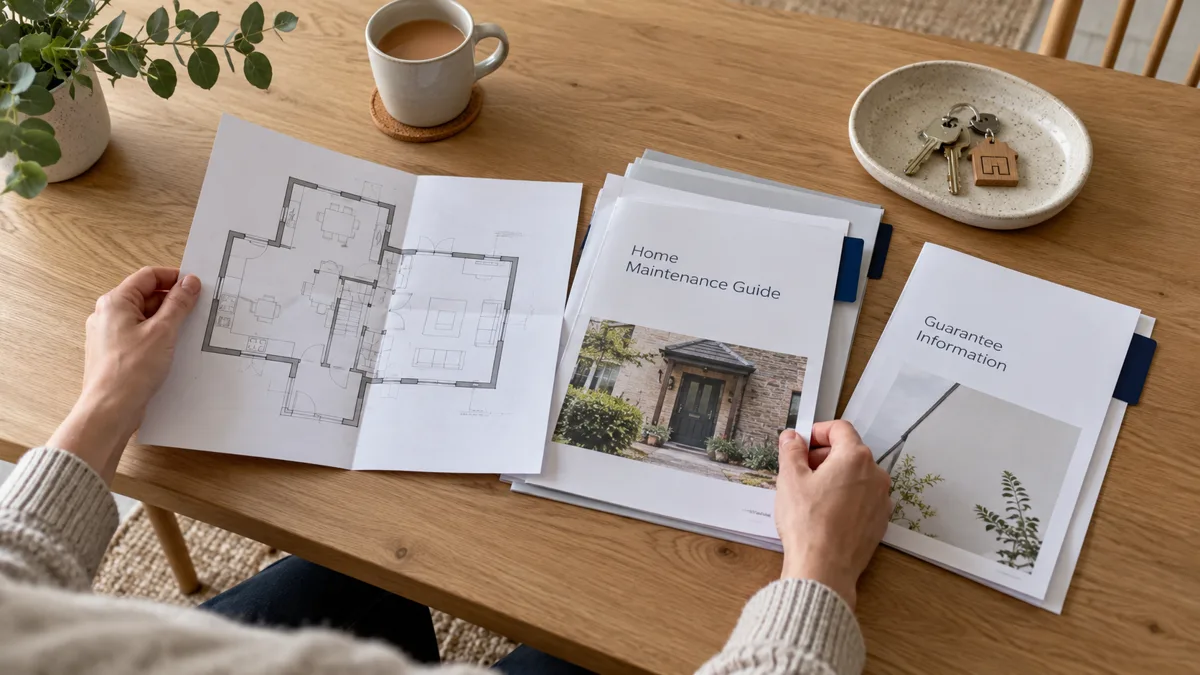
How can organised records help when selling?
Finding documents before a sale can help you respond to questions from your estate agent, solicitor or prospective buyer. A file may provide a useful starting point for discussions about alterations, warranties or maintenance. It does not replace enquiries, independent surveys or legal checks.
Ask your solicitor or property professional which documents are relevant to your transaction. Requirements can differ depending on the property and whether it is being sold or let.
What about an Energy Performance Certificate?
An Energy Performance Certificate (EPC) is separate from the former HIP. EPC requirements can apply when a property is sold, rented or constructed, subject to the applicable rules and exemptions. Check the current official guidance or speak to your agent or assessor before relying on an existing certificate.
See the government’s guidance on EPCs when selling a home.
How to organise and update your records
- Collect: Gather available papers and digital documents from your own records and relevant professionals.
- Sort: Group them by subject, such as ownership, building work, systems, warranties and maintenance.
- Label: Use clear file names and dates so people can identify the current version.
- Maintain: Add new records after work or changes, and distinguish superseded information from current documents.
Protect private information and use secure storage and backups. If an important record is missing, ask the relevant installer, solicitor, managing agent or local authority whether a copy is available. Avoid guessing or creating a substitute for an official certificate.
How is this different from a home user guide?
A property records file brings together existing documents. A home user guide explains how residents can use their home, operate its controls and find maintenance or aftercare information. They can complement each other, but their purposes are different.
For project-specific resident guidance, explore our Home User Guide preparation service. The scope should be agreed with the project team and based on the information supplied.
Frequently asked questions
Is a Home Information Pack still required?
The former statutory HIP requirement in England and Wales was suspended in 2010 and later repealed. Other requirements for a particular sale or letting should be checked separately.
Can I keep property documents digitally?
Yes. Clearly named digital copies can be convenient, provided personal information is protected and important originals are retained where appropriate.
Does a property information file replace a survey?
No. Existing records do not replace an independent assessment of the property’s condition or professional legal enquiries.
When should I update the file?
Review it when relevant work, installations, ownership details or warranties change, and keep the current information easy to identify.
Planning a residential handover?
Discuss a home user guide prepared around your project’s information and requirements.